






Seven proven treatments can help you overcome depression with success rates of 40-90%. Your options include antidepressant medications (SSRIs/SNRIs), cognitive behavioral therapy, regular exercise, brain stimulation therapies like TMS or ECT, strong social support networks, lifestyle modifications focused on sleep and nutrition, and mindfulness practices. Each approach offers distinct benefits, from rapid symptom relief to long-term coping strategies. Understanding these evidence-based treatments will empower you to make informed decisions about your mental health voyage.
The Power of Antidepressant Medications
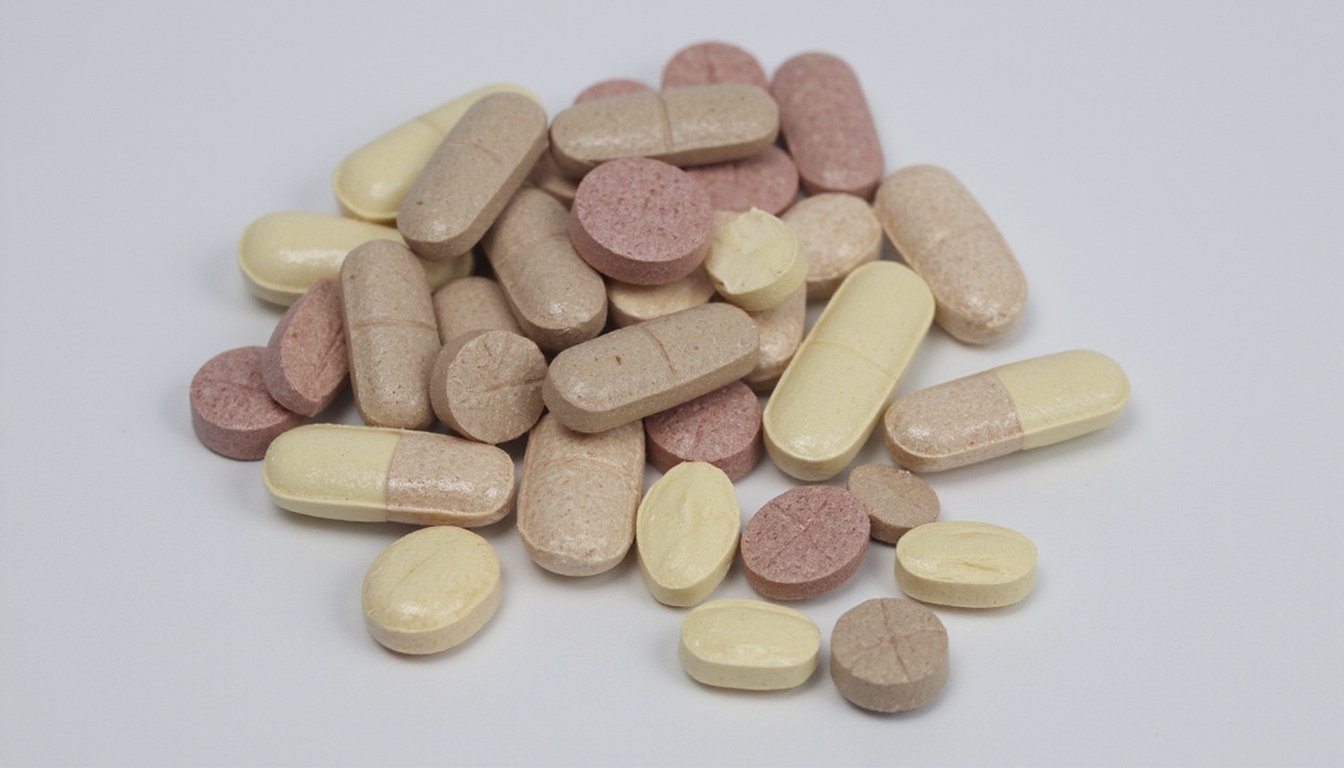
Antidepressant medications represent a cornerstone in modern depression treatment, with strong evidence supporting their effectiveness in managing moderate to severe cases. You’ll find that SSRIs and SNRIs lead the way as primary treatments, with response rates of 40-60% within 6-8 weeks. Proper medication selection and dosage titration are essential for ideal outcomes.
When you’re working with your healthcare provider, they’ll likely start with SSRIs like fluoxetine or sertraline, given their favorable safety profiles. These medications can considerably reduce your risk of relapse, especially when continued beyond six months. While side effects like gastrointestinal issues or sleep changes may occur initially, they often diminish over time. For specific populations, including elderly patients or those with chronic pain, your provider will carefully tailor the medication choice to your unique needs.
Cognitive Behavioral Therapy: A Structured Path to Recovery
CBT equips you with powerful tools to identify and change negative thought patterns through structured, evidence-based techniques that have shown 50-75% effectiveness in reducing depressive symptoms. You’ll learn to challenge distorted thoughts and replace them with balanced perspectives while engaging in positive activities that elevate your mood and energy levels. Through regular practice of CBT skills and completion of targeted homework assignments, you’ll develop lasting strategies to maintain recovery and prevent future depressive episodes.
Core CBT Treatment Principles
While many therapeutic approaches exist for treating depression, Cognitive Behavioral Therapy (CBT) stands out as a scientifically validated, structured intervention that follows clear principles and protocols. You’ll work collaboratively with your therapist through 12-20 sessions, focusing on skill development and self-directed practice that enables long-term CBT skill transfer.
The core principles emphasize goal-oriented treatment using SMART objectives and behavioral activation techniques. You’ll learn to identify patterns of negative thinking while engaging in rewarding activities. Through structured sessions, you’ll gain practical tools for symptom management, including thought records and activity scheduling. Your progress is continuously monitored, with adjustments made based on outcome data. The treatment culminates in creating a personalized relapse prevention plan, ensuring you maintain improvements long after therapy ends.
Breaking Negative Thought Patterns
Breaking free from negative thought patterns represents a cornerstone of recovery from depression, with research showing these automatic thoughts affect up to 80% of individuals struggling with the condition. Through cognitive flexibility bolstering and personalized thought record techniques, you can effectively challenge and restructure these harmful thinking patterns.
Research-validated strategies to break negative thought cycles include:
- Documenting triggers, emotions, and alternative viewpoints using structured thought records, which reduces belief in negative thoughts by 30%
- Practicing cognitive restructuring methods that target distortions like all-or-nothing thinking, showing 40-60% symptom reduction
- Developing metacognitive awareness through mindfulness-based CBT, which halves relapse rates in recurrent depression
These interventions normalize brain activity in prefrontal and limbic circuits, with benefits lasting 12-24 months in 70% of participants.
Practical CBT Success Strategies
Research consistently demonstrates that structured therapeutic approaches yield the most reliable outcomes for depression treatment, with Cognitive Behavioral Therapy (CBT) emerging as a gold-standard intervention. To enhance your success with CBT, you’ll need to follow evidence-based protocols that typically span 12-20 weekly sessions.
Your therapist will implement customized practice guidelines, including systematic behavioral activation to increase your engagement in meaningful activities and cognitive restructuring to challenge negative thought patterns. You’ll learn to use thought records and activity scheduling while gradually building coping skills. Digital adaptations and mobile apps can support your daily practice between sessions.
For ideal results, commit to completing homework assignments and attending follow-up reinforcement sessions. This structured approach reduces relapse rates by 30% and maintains long-term improvements in depressive symptoms.
Exercise and Physical Activity as Natural Mood Boosters
Physical activity stands as one of nature’s most potent antidepressants, offering a scientifically validated approach to managing depression through multiple biological pathways. When you engage in regular exercise, your brain releases mood-enhancing compounds like endorphins, serotonin, and BDNF, while simultaneously reducing inflammation and regulating stress responses.
Regular exercise activates the brain’s natural antidepressant mechanisms, unleashing powerful compounds that elevate mood and reduce stress.
To optimize these benefits, consider these evidence-based approaches:
- Participate in supervised programs that combine aerobic and resistance training for 150-300 minutes weekly
- Join group activities that provide both physical benefits and valuable social support
- Start with shorter 10-15 minute sessions, gradually increasing duration as your fitness improves
Research demonstrates that consistent physical activity can match antidepressant effectiveness for mild to moderate depression, while offering additional benefits like improved sleep quality and lower relapse rates.
Brain Stimulation Therapies: Advanced Treatment Options
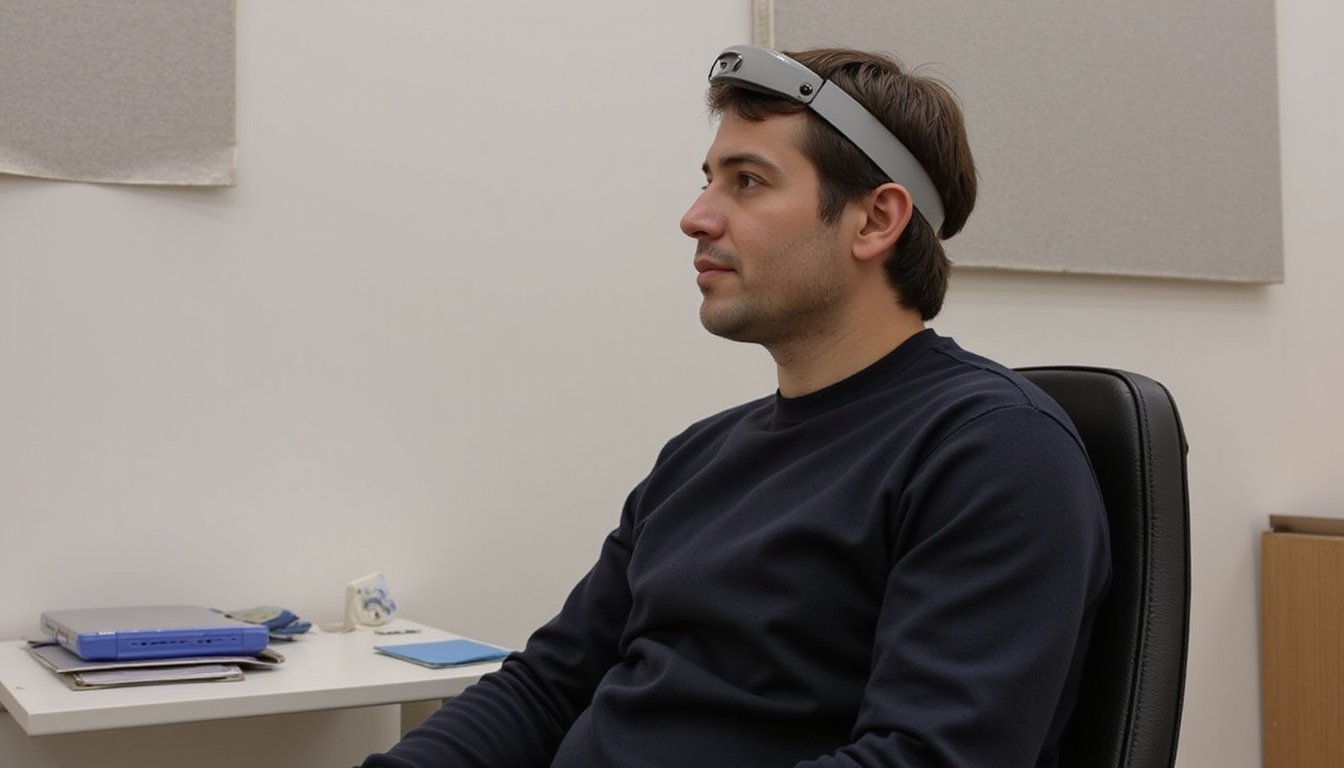
Electroconvulsive therapy (ECT) remains the gold standard for treatment-resistant depression, with impressive remission rates of 70-90% in major depressive episodes. You’ll find that modern brain stimulation options like TMS and VNS offer less invasive alternatives, though with lower response rates of 30-60%. If you’ve exhausted standard treatments, these brain stimulation therapies provide evidence-based options that your healthcare provider can evaluate based on your specific condition, severity, and medical history.
ECT: Gold Standard Treatment
Among all brain stimulation therapies, Electroconvulsive Therapy (ECT) stands as the most established and effective treatment for severe depression, particularly in cases resistant to conventional medications. Ideal patient selection focuses on individuals with severe major depressive disorder, acute suicidality, or those who haven’t responded to traditional treatments.
The procedure demonstrates remarkable efficacy with:
- Remission rates of 60-80% in severe depression cases
- Rapid symptom relief, often within 2-4 sessions
- Superior outcomes for urgent psychiatric conditions like catatonia
While adverse effects can include temporary headaches and memory issues, modern ECT protocols under general anesthesia have proven exceptionally safe, with mortality rates below 0.01%. The treatment consists of 6-12 sessions administered 2-3 times weekly, with both bilateral and unilateral electrode placement options available based on individual needs.
Modern Brain Stimulation Options
While ECT remains the gold standard for severe depression, several novel brain stimulation therapies now offer promising alternatives with varying levels of invasiveness and efficacy. You’ll find options ranging from non-invasive transcranial direct current stimulation (tDCS) to surgical deep brain stimulation (DBS), each with distinct benefits and considerations.
| Treatment | Invasiveness | Success Rate |
|---|---|---|
| TMS | Non-invasive | 30-50% |
| rTMS | Non-invasive | Up to 30% |
| VNS | Surgical | Long-term |
| DBS | Surgical | Promising |
| tDCS | Non-invasive | Mixed |
Your treatment choice will depend on depression severity, previous treatment response, and risk tolerance. Non-invasive options like TMS and tDCS offer fewer side effects but may have lower efficacy, while surgical interventions like VNS and DBS typically target more severe, treatment-resistant cases with potentially higher success rates.
Building Strong Social Support Networks
Social support networks play a vital role in managing depression, with research showing they can increase survival rates by up to 50%. Meaningful social engagement through family connections, friendships, and community participation greatly reduces depressive symptoms and improves treatment outcomes.
To build and maintain effective support networks:
- Participate in group-based activities like sports clubs, volunteer organizations, or faith-based communities to increase your sense of belonging
- Connect with peer support programs, either in-person or through validated online platforms, to share experiences with others who understand your path
- Involve family members in your treatment process through psychoeducation and therapy sessions, as supportive family environments correlate with better medication adherence and reduced relapse rates
These evidence-based approaches can substantially improve your depression management strategy while providing essential emotional support and understanding.
Sleep and Nutrition: Lifestyle Changes That Make a Difference

Lifestyle modifications in sleep and nutrition represent two fundamental pillars for managing depression effectively. Prioritizing regular sleep-wake cycles and ensuring 7-9 hours of quality sleep can reduce your depression risk by up to four times. When combined with proper nutrition, these changes create a powerful foundation for mental wellness.
Focus on adopting a Mediterranean-style diet rich in omega-3 fatty acids, while minimizing processed foods and alcohol consumption. Blood sugar regulation through balanced meals containing protein, fiber, and healthy fats helps stabilize mood fluctuations. For gut microbiome optimization, incorporate fermented foods and high-fiber options that support beneficial bacteria. Consider probiotic supplementation with Lactobacillus and Bifidobacterium strains, as research shows they can considerably reduce depressive symptoms. Limiting caffeine intake to moderate levels while maintaining consistent meal timing further supports these interventions.
Mindfulness and Meditation Practices
Beyond nutritional and sleep interventions, mindfulness and meditation practices offer powerful, evidence-based tools for managing depression. Research confirms that sustained mindfulness practice can significantly reduce depressive symptoms and prevent relapse, with effectiveness comparable to traditional treatments like antidepressants and CBT.
- Structured mindfulness meditation programs, such as MBCT and MBSR, provide thorough 8-week courses that teach essential skills through guided practices and group support.
- Regular practice activates brain regions associated with emotional regulation while reducing stress markers and negative thought patterns.
- Daily meditation sessions of 20-45 minutes, combined with mindful breathing and body scan techniques, yield ideal benefits for depression management.
You’ll find these approaches particularly beneficial when integrated with other treatments, though success depends on consistent practice and qualified instruction.
Frequently Asked Questions
Can Alternative Medicines Be Used Alongside Traditional Antidepressants?
Yes, you can use certain alternative medicines alongside antidepressants, but it’s essential to consult your healthcare provider initially. While mindfulness practices and some herbal supplements can complement traditional treatments, they carry potential risks. You’ll need careful monitoring, especially with St. John’s Wort, which can dangerously interact with antidepressants. Research shows that supervised combinations can improve outcomes, but you shouldn’t start any alternative treatments without professional guidance.
How Long Should I Continue Treatment After Depression Symptoms Improve?
You should continue your antidepressant treatment for at least 6-12 months after your symptoms improve. This duration is indispensable for maintaining recovery and preventing relapse. If you’ve had multiple depressive episodes, you might need longer treatment. Don’t stop your medication without consulting your healthcare provider, as they’ll help create a safe tapering plan. Research shows early discontinuation greatly increases your relapse risk, so following the recommended timeline is critical for your long-term well-being.
What Role Do Hormones Play in Depression Treatment?
Hormonal imbalances can markedly impact your depression and its treatment. Your endocrine system’s regulation affects neurotransmitter function, brain plasticity, and mood stability. If you’re experiencing treatment-resistant depression, your doctor may check for hormonal irregularities in your thyroid, cortisol, or sex hormones. When necessary, they’ll incorporate hormonal regulation strategies alongside standard antidepressants. This combined approach can improve treatment outcomes, especially if you have underlying endocrine dysfunction.
Are Genetic Tests Useful in Choosing the Right Depression Medication?
Pharmacogenetic testing can be useful but shouldn’t be your initial step in depression treatment. While these tests may help predict medication response, they typically offer modest benefits, improving remission rates by only 7-13% compared to standard care. You’ll find them most valuable if you’ve failed multiple antidepressants or experienced significant side effects. They’re best at predicting how quickly you’ll metabolize medications rather than guaranteeing which drug will work best.
How Does Seasonal Change Affect Depression Treatment Effectiveness?
Your depression treatment’s effectiveness can fluctuate with the seasons. Reduced seasonal light exposure during fall and winter may lower your response to antidepressants and decrease therapy attendance. You’ll need to adapt your treatment plan accordingly. Light therapy becomes essential in winter months, showing 60-80% success rates. Moreover, maintaining consistent seasonal activity patterns through exercise and outdoor time can help stabilize your treatment outcomes year-round.