






Addiction detox starts with a thorough assessment of your substance use history, medical background, and mental health status. You’ll receive a personalized treatment plan while medical professionals monitor your critical signs around the clock. Withdrawal symptoms typically begin within 6-12 hours and peak between 48-72 hours, depending on the substance. Medication-assisted treatment helps ease cravings and physical discomfort during the most challenging phases. Understanding each stage of this process prepares you for what’s ahead.
Understanding the Detox Process and What to Expect

When you enter a detox program, the process begins with an extensive intake and assessment. During this interview, clinicians evaluate your home life, substance use history, medical background, and mental health status. This screening identifies co-occurring conditions that could affect your withdrawal experiences and determines the appropriate detox protocol.
Your medical team will assess factors like the substances you’ve used, severity of addiction, and overall health to create a personalized treatment plan. Medical oversight remains essential throughout this phase to manage potential risks effectively, especially since detox from alcohol is one of the riskiest types, posing threats of seizures and delirium tremens.
Understanding what lies ahead helps you prepare mentally for the journey toward long term addiction recovery. The intake process establishes your baseline health and guarantees you receive proper medications and support from day one.
Early Symptoms and the First 24 Hours of Detox
Within the first 6-12 hours after your last dose, your body begins signaling that it’s adjusting to the absence of substances, you may notice anxiety, trembling, muscle aches, or nausea depending on what you’ve been using. These initial withdrawal signs can escalate quickly, with alcohol users facing seizure risks within hours and opioid withdrawal intensifying as you approach the 24-hour mark. That’s why medical monitoring during this critical window isn’t optional, it’s essential for managing symptoms safely and preventing potentially life-threatening complications. Factors such as age, gender, genetics, overall health, and substance use history all influence how quickly and severely withdrawal symptoms begin to appear. Cocaine users often experience a rapid crash with strong cravings immediately after stopping the drug, making early intervention particularly important.
Initial Withdrawal Signs
Most people begin experiencing mild withdrawal symptoms within 6 to 12 hours after their last drink, though onset can occur as early as 8 hours once alcohol blood levels start dropping. During this early phase, you’ll likely notice physical signs like headaches, nausea, and shakiness. Managing alcohol related tremors becomes important as these symptoms can intensify quickly.
Psychological symptoms emerge alongside physical discomfort. You may experience anxiety, irritability, and sleep disturbances. Addressing early emotional distress helps prevent escalation during this critical window. These symptoms typically peak by 24-72 hours after your last drink, making early intervention crucial.
This initial phase typically lasts up to 24 hours. If you’re heavily dependent, symptoms may progress to hallucinations within 12 to 24 hours. Serious symptoms like seizures may develop within 24 to 48 hours after your last drink, requiring immediate medical attention. Without proper medical supervision, what starts as mild discomfort can rapidly escalate, making professional monitoring essential during detox’s first day.
Medical Monitoring Importance
Intravenous fluids prevent dehydration while supplements correct nutritional deficiencies. This evidence-based approach explains why inpatient detox completion rates exceed outpatient attempts, you’re never facing withdrawal alone, and intervention happens immediately when complications arise. Without proper medical supervision, individuals may experience severe withdrawal symptoms such as seizures or delirium tremens that can become life-threatening. Certain substances, including alcohol, opioids, and benzodiazepines, require medically-assisted detox due to the dangerous nature of their withdrawal processes.
Peak Withdrawal Phase and Managing Severe Symptoms

Once the initial withdrawal symptoms take hold, the body enters its most challenging phase, the peak withdrawal period, where symptom intensity reaches maximum severity. For alcohol withdrawal, this peaks at 48-72 hours with potential seizures and delirium tremens. Opioid withdrawal peaks similarly, bringing extreme agitation, severe cramping, and intense cravings. Cocaine withdrawal peaks during weeks 1-2, dominated by psychological distress.
Effective symptom intensity management requires professional intervention during this critical window. You’ll face the highest relapse risk when discomfort becomes overwhelming. Medication assisted treatment options like buprenorphine or methadone substantially ease opioid cravings and physical symptoms. Medical staff monitor for dangerous complications including hallucinations, fever, and cardiovascular changes. During this phase, patients may also experience confusion or disorientation that requires careful supervision and reassurance from clinical staff. Healthcare professionals often use the Clinical Opioid Withdrawal Scale to accurately assess and track symptom severity throughout this peak period.
Your treatment team provides continuous support, adjusting interventions as symptoms fluctuate. This vigilant approach prevents escalation while guiding you through detox’s most demanding stage.
Medical Supervision and Why Professional Care Matters
During medical detox, healthcare professionals continuously monitor your essential signs, including heart rate, blood pressure, and temperature, to detect dangerous changes before they escalate. This vigilant oversight allows your care team to intervene immediately if you develop life-threatening complications like seizures, cardiac arrhythmias, or delirium tremens. You’ll have access to 24/7 trained staff who can administer emergency medications and provide critical support when withdrawal symptoms become unpredictable. Professional treatment centers also provide individualized care plans tailored to meet your specific needs, ensuring continuous monitoring and adjustments throughout your detox process. Your care team may also utilize medication-assisted treatment to reduce discomfort and cravings, making the withdrawal process more manageable.
Vital Signs Monitoring
Because withdrawal symptoms can escalate rapidly, medical professionals rely on systematic vital signs monitoring to detect dangerous changes before they become life-threatening. Your care team tracks blood pressure, heart rate, and respiratory patterns at regular intervals throughout detox. They’ll also order biochemical markers like liver transaminases and carbohydrate-deficient transferrin to assess organ function and recent alcohol consumption patterns.
The Revised Clinical Institute Withdrawal Assessment for Alcohol (CIWA-Ar) guides your medication delivery by scoring 10 withdrawal indicators including tremor, anxiety, and nausea. Scores above 15 trigger emergency protocols due to increased seizure and delirium tremens risk. Staff administer this assessment every 4-8 hours until your score remains below 8-10 for 24 consecutive hours. This symptom-triggered approach guarantees you receive interventions precisely when needed, preventing both under-treatment and over-sedation. Research shows this method requires less medication and shorter treatment duration compared to fixed-schedule dosing regimens. Following successful detox completion, your care team will discuss alcohol treatment options and make appropriate referrals to help you transition to comprehensive addiction treatment.
Preventing Life-Threatening Complications
While essential signs monitoring provides critical data for tracking withdrawal progression, preventing life-threatening complications requires an extensive medical supervision approach that extends far beyond observation alone. Your care team employs evidence-based protocols to prevent uncontrolled seizures and avoid fatal overdoses through precise medication management and continuous assessment.
Critical Interventions for Your Safety:
- Anticonvulsant administration prevents alcohol withdrawal seizures before they occur
- Tapered medication schedules using methadone or buprenorphine reduce opioid complications
- Immediate intervention addresses dehydration, cardiac irregularities, and respiratory distress
- Management of co-occurring conditions like diabetes or heart disease during withdrawal
Your medical team adjusts treatment protocols based on your individual responses. This personalized approach addresses both physical symptoms and underlying health issues, ensuring you’re stabilized and prepared for the next phase of thorough addiction treatment.
Medications Used to Ease Withdrawal Discomfort
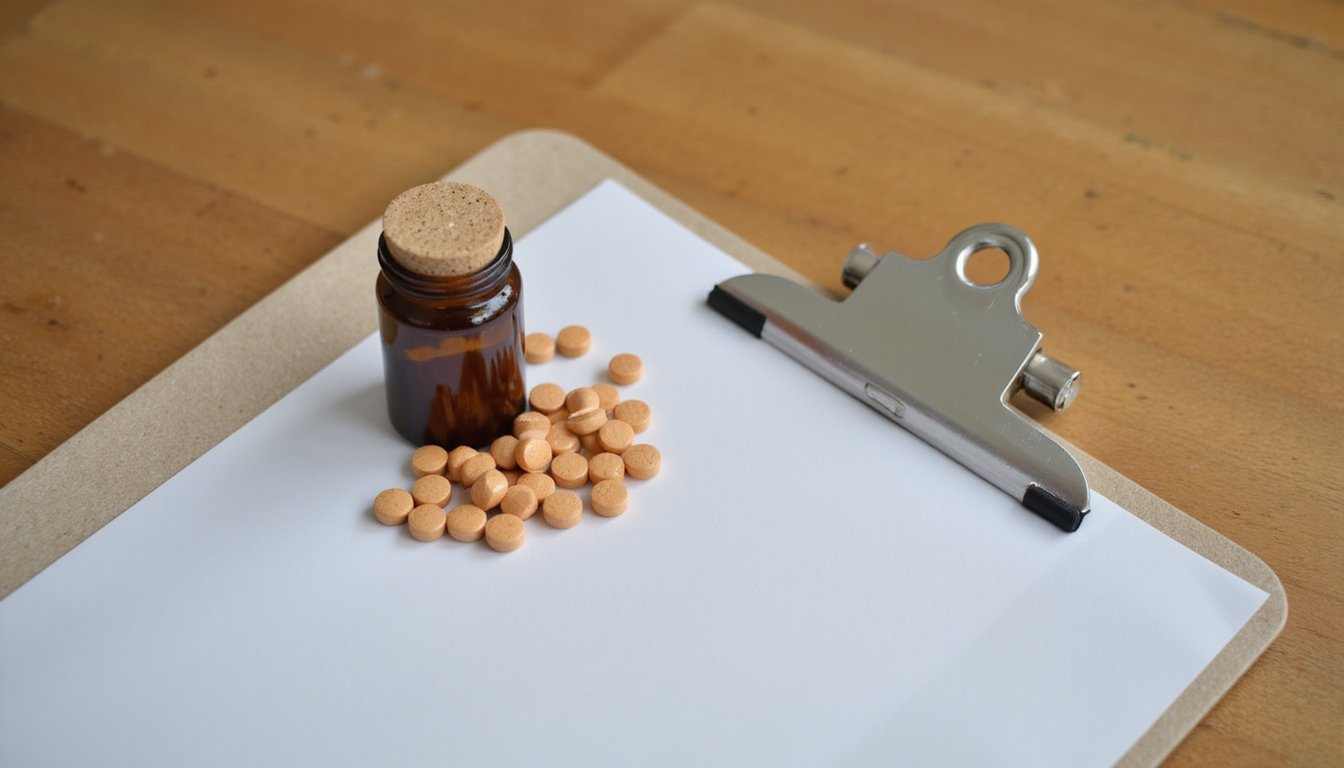
When you’re traversing withdrawal, medications can markedly diminish discomfort and prevent dangerous complications. For alcohol detox, longer-acting benzodiazepines like chlordiazepoxide or diazepam provide smoother symptom control than shorter-acting alternatives. If you have liver disease, your provider may prescribe lorazepam instead. Anticonvulsants help prevent potentially fatal seizures during this process.
For opioid withdrawal, buprenorphine reduces cravings while lowering overdose risk by 76% at three months. Methadone offers similar benefits through supervised programs, decreasing overdoses by 59% at twelve months. Your treatment team may implement dual therapy combinations or cross tapering schedules to optimize your comfort and safety.
Naltrexone blocks opioid effects and reduces alcohol cravings, though it’s typically introduced after acute withdrawal. Research shows longer medication-assisted treatment retention, beyond six months, yields better outcomes.
Timeline Variations Based on Substance Type
Understanding how withdrawal timelines differ across substances helps you prepare for what lies ahead and set realistic expectations for your recovery journey.
Key Timeline Variations by Substance Type:
- Alcohol: Withdrawal begins 6-12 hours after your last drink, peaks at 24-72 hours with potential seizures, and resolves within 7-10 days.
- Opioids: Symptoms emerge within 6-24 hours, peak during days 1-3, and typically subside over 5-14 days depending on the specific drug.
- Benzodiazepines: Onset occurs 1-4 days after cessation, with peak symptoms during weeks 1-2 and potential protracted withdrawal lasting months.
- Stimulants: Primarily psychological symptoms based on substance type appear within 1-3 days, peaking around week one.
Factors influencing withdrawal duration include dosage history, length of use, and whether you’re discontinuing short-acting or long-acting substances.
Holistic and Nutritional Support During Detox
Because addiction depletes your body’s essential nutrients and disrupts multiple physiological systems, thorough detox programs incorporate holistic and nutritional interventions alongside medical treatment.
Upon admission, clinicians assess your dietary habits, current health status, and specific nutrient gaps. This evaluation determines your personalized nutritional needs, guiding the development of customized meal plans rich in lean proteins, complex carbohydrates, and healthy fats. Dietary supplements address individual vitamin and mineral deficiencies, while probiotic-rich foods restore gut health compromised by substance abuse.
Balanced nutrition stabilizes blood sugar levels, reducing cravings and irritability during withdrawal. Programs integrate mind-body practices like yoga, meditation, and physical exercise to produce endorphins and promote emotional regulation. These combined approaches build resilience, enhance cognitive function, and establish long-term wellness habits that support sustained recovery beyond the detox phase.
When Symptoms Subside and Physical Recovery Begins
After the intense 24-72 hour peak period, when symptoms like seizures and potentially fatal delirium tremens reach maximum intensity, your body begins its gradual return to stability.
By days 5-7, acute physical symptoms considerably decrease. Full resolution typically occurs within 7-14 days, depending on the substance involved.
Your Physical Recovery Timeline:
- Week 1: Physical symptoms improve tremendously; fatigue remains common after withdrawal strain
- Week 2: Improved gut function reduces bloating and heartburn; you’ll likely notice 2-pound weight loss
- Week 3: Liver efficiency increases; clearer skin and better digestion emerge
- Week 4: Regained energy levels, improved sleep quality, and enhanced hydration become noticeable
During this phase, you’ve moved beyond acute withdrawal. Your body’s now actively healing rather than simply surviving detoxification.
Transitioning From Detox to Long-Term Treatment
Detox marks a critical first step, but it’s not a standalone treatment, it stabilizes your body and mind so you can meaningfully engage in the therapy and counseling that address addiction’s root causes.
Active discharge planning during detox markedly increases your treatment admission rates. Your care team begins intake coordination early, developing a tailored plan that matches your needs, whether that’s residential inpatient care, partial hospitalization, or intensive outpatient programs.
Successful treatment engagement depends on several factors: your motivation level, proximity to programs, and the quality of case management support you receive. Integrated programs that provide both detox and rehabilitation under one system offer the most consistent care continuity.
This seamless shift maintains your recovery momentum during a critical period, reducing relapse risk and improving long-term outcomes.
Frequently Asked Questions
Can I Detox at Home Safely Without Any Medical Supervision?
You shouldn’t attempt detox at home safely without medical supervision. Less than 25% complete unsupervised home detox successfully, and severe withdrawal symptoms like seizures and delirium tremens can become life-threatening within 24 hours. Home remedies and over the counter medications won’t adequately manage dangerous complications or intense cravings. Without professional monitoring, you’re risking respiratory depression, cardiovascular strain, and dehydration. Medically supervised programs offer up to 80% higher success rates with proper intervention and psychological support.
How Long After Detox Should I Wait Before Returning to Work?
You should wait at least 30 to 90 days after detox before returning to work, depending on your substance use severity and job demands. Consider consulting a doctor to assess your physical and mental readiness. Plan a gradual return to work rather than jumping back full-time, as this reduces relapse risk. Your treatment team can help determine when you’ve developed sufficient coping skills and stability to handle workplace stress safely.
Will My Insurance Cover the Full Cost of Addiction Detox Treatment?
Your insurance likely won’t cover the full cost of addiction detox treatment. Your insurance plan benefits determine what percentage you’ll pay, Bronze plans cover 60%, while Platinum plans cover 90% of expenses. Detox treatment coverage depends on your specific plan, medical necessity documentation, and state regulations. We recommend contacting your insurer directly to verify your benefits, as coverage varies considerably. Many providers offer financial counselors who can help you navigate your options.
Can I Visit Family Members While Undergoing Inpatient Detox Treatment?
During the initial detox phase, you typically can’t receive visitors for 3-7 days while medical staff manage your withdrawal symptoms. This blackout period protects your early recovery. After stabilization, your treatment team will establish a visitation schedule that gradually reintroduces your family support system. You’ll likely start with supervised phone calls or video conferences before progressing to in-person visits, usually 2-3 weeks into treatment as you demonstrate coping progress.
What Happens if I Relapse During the Detox Process?
If you relapse during detox, you’ll face an increased risk of complications, including potentially life-threatening overdose due to your lowered tolerance. Medical intervention required in these situations guarantees your safety and stabilizes your condition. Don’t view relapse as failure, research shows it’s common in recovery. Your treatment team will reassess your care plan, possibly incorporating medication-assisted treatment, which greatly enhances long-term outcomes. Each attempt builds toward successful recovery.