






Yes, stress, anxiety, and trauma can trigger psychosis in some people, but exposure alone doesn’t guarantee it. When distress overwhelms your coping capacity, it can intensify fear and distort how you interpret yourself, others, and the world. Poor sleep, substance use, and personal biology can lower your threshold further. What separates psychosis from ordinary anxiety is impaired reality testing. Understanding how each trigger works, and when symptoms warrant evaluation, can help you protect your stability.
Key Takeaways
- Stress, anxiety, and trauma can trigger a psychotic episode in some people, though exposure does not inevitably lead to psychosis.
- Psychosis usually results from stressors interacting with personal sensitivities, biology, and life circumstances, rather than from stress alone.
- Poor sleep, substance use like cannabis or stimulants, and social adversity can compound risk and lower the threshold for psychosis.
- Brief psychotic disorder can begin suddenly after an overwhelming stressor, with hallucinations or delusions typically resolving within one month.
- New hallucinations, delusions, or difficulty distinguishing what is real warrant prompt clinical evaluation to determine the cause and guide treatment.
Can stress, anxiety, or trauma cause psychosis
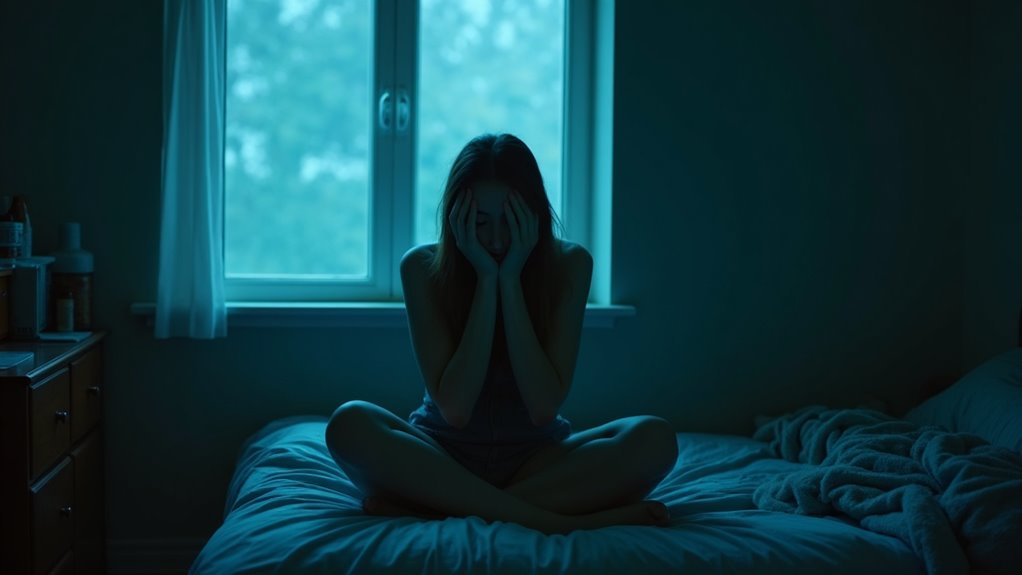
Yes, stress, anxiety, and trauma can each trigger a psychotic episode in some people, though none of them inevitably causes psychosis. If you’re asking, “can trauma cause psychosis?” the evidence says it’s a recognized trigger, particularly after abuse, bullying, bereavement, or major loss. Similarly, if you wonder “can severe anxiety cause psychosis?” intense distress can alter how you interpret yourself, others, and the world, amplifying fear and self-criticism. Stress induced psychosis typically reflects an interaction among your circumstances, personal sensitivities, and biology rather than one event acting alone. Poor sleep, substance use, and social adversity can raise your risk, while protective factors can lower it. Psychosis differs from ordinary distress: it involves losing the ability to distinguish what’s real. New hallucinations or delusions warrant prompt clinical assessment.
How can extreme stress bring on psychosis
Extreme stress can bring on psychosis by overwhelming your capacity to cope, which changes how you interpret yourself, other people, and the world, intensifying fear and self-criticism until perceptions may lose their grounding in reality. If you’re asking, “can abuse cause psychosis?”, the evidence says it’s a recognized trigger, alongside bullying, bereavement, and major loss.
Still, stress rarely acts alone. It interacts with your personal sensitivity, biological makeup, and circumstances such as isolation, poverty, or relationship difficulties. Prolonged sleep deprivation and substance use, including cannabis or stimulants, can further lower your threshold.
Having these risk factors doesn’t mean you’ll develop psychosis, and a trigger alone doesn’t establish a diagnosis. If you notice hallucinations, delusions, or difficulty distinguishing what’s real, seek prompt assessment from a qualified health professional.
Can severe anxiety cause psychosis

Yes, severe anxiety can trigger a psychotic episode in some people, but it doesn’t inevitably cause psychosis. Anxiety can intensify fear and self-criticism and change how you interpret yourself, others, and the world. Psychosis differs from ordinary anxiety, though. It involves a change in reality testing, meaning you have difficulty distinguishing what’s real from what isn’t.
Your risk depends on interacting factors, not anxiety alone. Personal sensitivity, life circumstances, and biological makeup all play a role. Poor sleep and substance use, including cannabis and stimulants, can contribute to symptoms or trigger episodes.
If you experience new hallucinations, delusions, or marked confusion about reality, seek prompt assessment from a qualified health professional. They’ll consider psychological, medical, and substance-related causes, and treating your underlying distress may help reduce symptoms.
Can trauma cause psychosis
Yes, trauma can trigger psychosis, though exposure to trauma doesn’t mean you’ll develop it. Clinicians recognize traumatic experiences as possible triggers, but risk reflects how several factors interact rather than one event acting alone.
Trauma-related risk may involve:
- Type of experience: Bullying, abuse, bereavement, and major losses can produce severe stress.
- Timing: Childhood or adolescent trauma may contribute to later mental-health difficulties without determining psychosis.
- Interacting influences: Your personal sensitivity, life circumstances, and biology shape trauma’s impact.
- Added stressors: Poor sleep, substance use, and social adversity can compound risk.
If you develop hallucinations, delusions, or trouble distinguishing what’s real after trauma, seek prompt clinical assessment. The trigger alone doesn’t establish a diagnosis, so a professional will also evaluate possible psychological, medical, and substance-related causes.
What is a brief psychotic disorder from stress

A brief psychotic disorder is a condition in which psychotic symptoms begin suddenly, sometimes triggered by an overwhelming stressor, and resolve within a month. Most people who face intense stress don’t develop psychosis.
During an episode, you may experience hallucinations, such as hearing a voice when no one else is present, or delusions that alter how you interpret yourself, others, and the world. The defining feature is impaired reality testing, not ordinary anxiety or distress.
A stressful trigger alone doesn’t confirm this diagnosis. Because psychosis can also stem from substance use, medication effects, medical conditions, severe sleep deprivation, or disorders like bipolar disorder and schizophrenia, a qualified health professional needs to assess you promptly. Clinical evaluation identifies the likely underlying cause and guides appropriate support for recovery.
How does childhood trauma raise psychosis risk
Childhood or adolescent trauma, such as bullying, abuse, bereavement, or other major losses, raises psychosis risk by interacting with other factors that shape your overall vulnerability, though it doesn’t determine that psychosis will develop. Trauma can contribute to later mental-health difficulties, including psychosis, through these pathways:
- Personal sensitivity: Early adversity may affect how you interpret yourself, others, and the world.
- Biological makeup: Prolonged stress can interact with your biology, amplifying fear or self-criticism.
- Life circumstances: Isolation, poverty, housing problems, or relationship difficulties can compound trauma-related stress.
- Additional triggers: Poor sleep and substances like cannabis or stimulants can further raise risk.
Protective circumstances can reduce these effects. If you develop psychosis after trauma, you’ll need a clinical assessment, because the trigger alone doesn’t establish a specific diagnosis or rule out medical causes.
How do stress, anxiety, and trauma compare as triggers
Stress, anxiety, and trauma can each trigger a psychotic episode, but none of them reliably causes psychosis, and current evidence doesn’t rank one as a stronger trigger than the others.
| Trigger | How it may contribute | Examples |
|---|---|---|
| Stress | Alters how you interpret yourself, others, and the world | Poverty, isolation, housing problems |
| Anxiety | Intensifies fear and self-criticism | Prolonged, severe worry |
| Trauma | Interacts with personal sensitivity and biology | Abuse, bullying, bereavement |
Your risk reflects how these factors combine with sleep loss, substance use, and biological makeup, not any single event. If you notice hallucinations, delusions, or difficulty telling what’s real, seek prompt assessment from a qualified health professional, who’ll also check for medical and substance-related causes. The trigger alone doesn’t establish a specific diagnosis or predict outcomes.
When should you reach out to Quest Behavioral Health
You should reach out to Quest Behavioral Health promptly if you notice new hallucinations, delusions, or marked difficulty distinguishing what’s real from what isn’t. These symptoms warrant professional evaluation, because psychosis can stem from psychological, medical, or substance-related causes. Stress or trauma alone doesn’t establish a diagnosis.
Contact a qualified professional if you experience:
- Changes in perception: You hear voices or see things others don’t.
- Fixed false beliefs: You hold convictions that persist despite clear contrary evidence.
- Severe sleep disruption: Prolonged sleep loss can contribute to psychotic symptoms.
- Substance-related symptoms: Cannabis, stimulants, or cocaine may trigger or worsen psychosis.
A clinical assessment identifies the underlying cause and guides appropriate support. Addressing emotional distress, sleep, and substance use can also reduce symptom severity. Early evaluation gives you the clearest path toward accurate diagnosis and effective treatment.
New Symptoms Deserve a Prompt, Clear Assessment
Stress, anxiety, and trauma can trigger psychosis, but the trigger alone never confirms a cause. The team at Quest Behavioral Health evaluates psychological, medical, and substance-related factors through psychiatric services, guiding you toward accurate diagnosis and treatment. Early evaluation is the clearest path forward. Verify your insurance or call (833) 783-7888.
Frequently Asked Questions
Can Lack of Sleep Cause Psychotic Symptoms on Its Own?
Yes, prolonged sleep deprivation can contribute to psychotic symptoms or trigger an episode, but you shouldn’t assume it’s the sole cause. Psychosis usually reflects interacting factors, including stress, substance use, medical conditions, medications, and personal vulnerability. If you’re experiencing hallucinations, delusions, or difficulty distinguishing what’s real, you need prompt clinical assessment. A qualified professional can identify the underlying cause, and you’ll likely also benefit from addressing severe sleep disruption directly.
Can Cannabis or Other Drugs Trigger Psychosis After a Stressful Period?
Yes, cannabis, stimulants, cocaine, and other substances can trigger or worsen psychotic symptoms, and severe stress may add to that risk. Risk reflects interacting factors: your sensitivity, circumstances, sleep, and biology. These factors don’t make psychosis inevitable. If you notice hallucinations, delusions, or difficulty distinguishing what’s real, get a prompt professional assessment. Clinicians evaluate psychological, medical, and substance-related causes. Reducing substance use and improving sleep may help.
How Common Is Psychosis Among Young People?
Psychotic disorders affect fewer than 3% of young people, according to NHS sources, and up to 3 in 100 young people in Scotland experience psychosis. You should treat these figures as population estimates, not individual predictions, because they vary by definition and measurement method. They don’t show how many people exposed to stress or trauma develop psychosis. If you notice new hallucinations or delusions, you’ll need prompt assessment by a qualified clinician.
Does Hearing a Voice When No One Is Around Mean Psychosis?
No, hearing a voice when no one is around does not necessarily mean psychosis. The experience can occur in psychosis, but it alone doesn’t establish a diagnosis. Psychosis involves difficulty distinguishing what’s real from what isn’t, and its causes include mental-health conditions, medical conditions, substance use, medication effects, and poor sleep. If you’re experiencing new hallucinations or struggling with reality testing, you should seek prompt assessment from a qualified health professional to identify the underlying cause.
Can Social Isolation or Money Problems Increase the Risk of Psychosis?
Yes, social isolation and money problems can raise your risk, mainly by adding stress that may contribute to psychosis. Poverty, housing difficulties, isolation, and relationship strain interact with your personal sensitivities and biology. They don’t make psychosis inevitable, and protective circumstances can reduce their impact. If you notice hallucinations, delusions, or trouble distinguishing what’s real, you should seek prompt assessment from a qualified health professional to identify the underlying cause.