






Anxiety can be a normal response to stress. You may feel nervous before a big meeting, medical appointment, family conflict, or major life change. In many cases, that feeling passes once the situation settles.
An anxiety disorder is different. The worry, fear, or tension can stay even when there’s no clear threat. It can affect your sleep, focus, health, relationships, and daily routine. If you’ve started changing your life around your anxiety, it may be time to look closer. Recognizing the signs of an anxiety disorder can help you get support before symptoms feel harder to manage.
What Is an Anxiety Disorder?
An anxiety disorder is a mental health condition that causes ongoing fear, worry, or nervousness. These feelings may feel stronger than the situation calls for. They may also last longer than expected.
Everyone feels anxious sometimes. That does not mean you have an anxiety disorder. The concern starts when anxiety keeps showing up, feels hard to control, or gets in the way of daily life.
Anxiety disorder symptoms can affect your body, thoughts, emotions, and behavior. You may feel tense, restless, tired, or on edge. You may also avoid places, people, decisions, or tasks because the anxiety feels too intense.
There are different types of anxiety disorders. These may include generalized anxiety disorder, panic disorder, social anxiety disorder, and specific phobias. Each one can look different. Still, they all involve anxiety that affects how you live, work, connect, or care for yourself.
If you feel that you or a loved one suspect that you are suffering from anxiety disorder, professional anxiety therapy is recommended. In this post, we will discuss some signs of anxiety disorder.
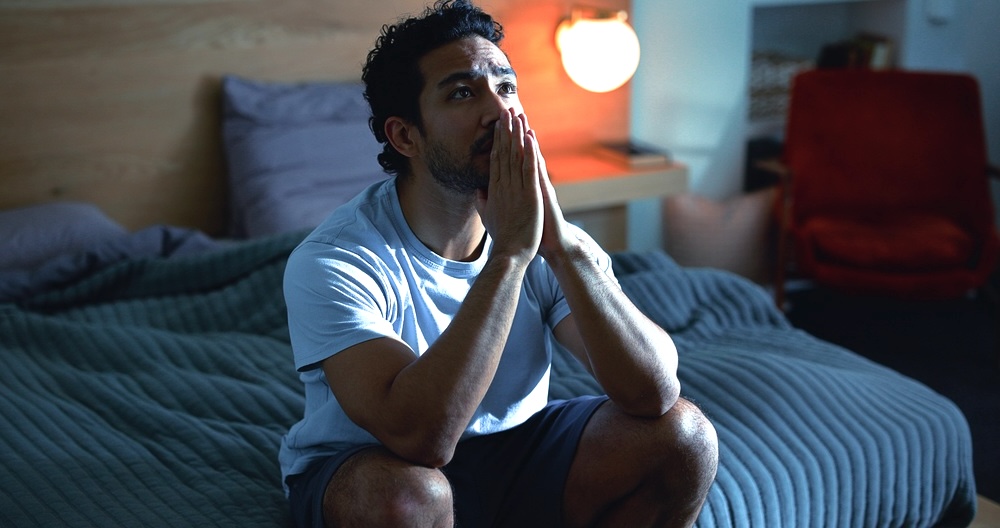
What Are the Signs of Anxiety Disorder?
The signs of anxiety disorder often build over time. At first, you may think you’re just stressed. You may push through work, family duties, school, or relationships while feeling tense inside.
Over time, anxiety disorder signs can become harder to ignore. You may notice changes in your body, sleep, focus, habits, or social life. Here are four common signs to watch for.
1. Persistent Worry That Feels Hard to Control
Ongoing worry is one of the most common signs of an anxiety disorder. You may worry about work, health, money, family, safety, or daily responsibilities. The thoughts may feel repetitive and hard to shut off.
This worry can make simple decisions feel heavy. You may replay conversations, expect the worst, or feel responsible for things outside your control. Even when others reassure you, the fear may return.
2. Physical Tension, Restlessness, or Panic Symptoms
Anxiety often shows up in the body. You may feel muscle tension, chest tightness, sweating, trembling, stomach discomfort, dizziness, or a racing heart. Some people also feel short of breath during intense anxiety.
Panic symptoms can feel frightening. A panic attack may come on suddenly and make you feel like something serious is happening. If chest pain, breathing problems, or fainting occur, seek medical attention right away to rule out urgent health issues.
3. Trouble Sleeping or Concentrating
Anxiety can make rest feel difficult. You may lie awake with racing thoughts. You may wake up often or feel tired even after sleeping.
Focus can also suffer. You may read the same sentence several times, lose track of tasks, or struggle to stay present in conversations. When your mind keeps scanning for problems, daily responsibilities can feel harder than usual.
4. Avoiding Everyday Situations
Avoidance is a major anxiety disorder sign. You may avoid driving, social events, phone calls, meetings, school, errands, or medical appointments. At first, avoidance may bring short-term relief.
Over time, it can make anxiety stronger. Your world may start to feel smaller. You may miss important moments, delay responsibilities, or feel disconnected from people you care about.
What Should You Do If You Notice Signs of an Anxiety Disorder?
Start by paying attention to patterns. Notice when anxiety shows up, what triggers it, and how it affects your day. This can help you explain your symptoms when you speak with a professional.
You can also begin with basic support. Try regular sleep, balanced meals, gentle movement, breathing exercises, and less caffeine if it worsens your symptoms. These steps may help, but they do not replace professional care when anxiety affects your daily life.
If anxiety feels constant, intense, or difficult to manage, speak with a mental health professional. Therapy can help you understand what you’re feeling and why it may be happening. Treatment may include individual therapy, coping skills, medication management, group support, or a higher level of care when symptoms need more structure.
If you feel in immediate danger or have thoughts of harming yourself, call local emergency services or go to the nearest emergency room.

When Should You Seek Help for Anxiety?
You should seek help for anxiety when it starts affecting your daily routine, relationships, work, school, sleep, or safety. You do not need to wait until everything feels unmanageable.
Support can help when worry feels constant, panic symptoms keep returning, or avoidance controls your choices. It can also help when anxiety appears with depression, trauma symptoms, substance use concerns, or major mood changes.
Getting help does not mean you failed. It means you’re choosing support before anxiety takes more space in your life. A trained provider can help you understand your symptoms and create a plan that fits your needs.
Early support can also make treatment feel less overwhelming. You can learn practical tools for stressful moments, hard conversations, and daily routines. With the right care, you can build more stability and confidence over time.
Can Anxiety Disorder Symptoms Get Worse Over Time?
Anxiety disorder symptoms can get worse when they go untreated. This does not happen to everyone, but it can happen when worry, avoidance, panic, or sleep problems continue for a long time.
Avoidance often keeps the cycle going. When you avoid a feared situation, you may feel relief at first. Then your brain may start to treat that situation as more dangerous. This can make it harder to face later.
Stress can also add pressure. Work changes, relationship problems, grief, trauma, health concerns, or family conflict can increase anxiety symptoms. Without support, your coping tools may feel stretched.
The hopeful part is that anxiety disorders are treatable. Therapy can help you understand your triggers, calm your nervous system, challenge anxious thoughts, and rebuild daily routines. Some people also benefit from psychiatric services and medication management as part of a larger treatment plan.
How Can You Find Support for Anxiety Disorder Signs?
If you notice signs of an anxiety disorder, start with one honest step. Talk to a trusted professional, share what you’ve been experiencing, and ask what level of care may fit your needs. You deserve support that looks at the full picture, not just one symptom.
At Quest Behavioral Health, we provide personalized mental health treatment in a safe, supportive residential setting. Our team supports people facing anxiety, trauma, depression, dual diagnosis concerns, and complex behavioral health needs. We use evidence-based care, individual therapy, psychiatric services, medication management, coping skills, family support, and aftercare planning to help you feel steadier. Reach out when you’re ready. We’re here to listen.